What Determines the Knot-Holding Ability of Braided Rope
Braided rope is used in many ways, from climbing to sailing and even in construction. One important thing about braided rope is how well it can hold knots. If a knot slips or comes undone, it can cause big problems, like accidents or lost items. So, knowing what makes a braided rope hold knots tightly helps people choose the right rope for their work. At RIOOP, we pay close attention to the knot-holding ability of our ropes because we want to make sure they work safely and last long. The knot-holding power depends on many things, like the rope’s material, how it is made, and even the way you tie it. Let’s look deeper into what affects the knot-holding strength and how buyers can pick the best braided rope when buying in bulk.What Factors Influence the Knot-Holding Strength of Braided Rope for Wholesale Buyers
When buying braided rope in large amounts, many details affect how well the rope keeps a knot tight. First, the material matters a lot. Some fibers, like nylon, are smooth and slippery, which can make knots slip if not tied properly. Others, like polyester or polypropylene, have different textures and stretchiness. Stretch can help absorb force but might also let knots loosen over time. RIOOP ropes are made with special blends to balance strength and grip. Next, the way the rope is braided plays a big role. Tighter braids mean less space between strands, which usually helps knots stay in place better. But if the braid is too tight, the rope can be stiff and hard to tie. Looser braids are softer but might let knots slide. Also, the thickness of the rope changes knot behavior—a thicker rope might hold knots better because there is more surface to grip, but it can be harder to tie small knots. Another factor is the rope’s surface finish. Some ropes have coatings or treatments that reduce friction. While this can help the rope last longer in rough use, it might make knots less secure. When RIOOP develops ropes for wholesale buyers, we test how knots behave after repeated use and in different weather conditions because water, dirt, and heat can change rope grip. Lastly, the way knots are tied and which knot is used affects holding power. Some knots are stronger and safer for certain ropes. Wholesale buyers often need advice on which knots work best with the ropes they choose from RIOOP. Not paying attention to these details can lead to wasted money or safety risks. So, knowing about these factors helps make smarter buying decisions when selecting braided rope in bulk.
How to Choose Braided Rope with Superior Knot-Holding Ability for Bulk Purchase
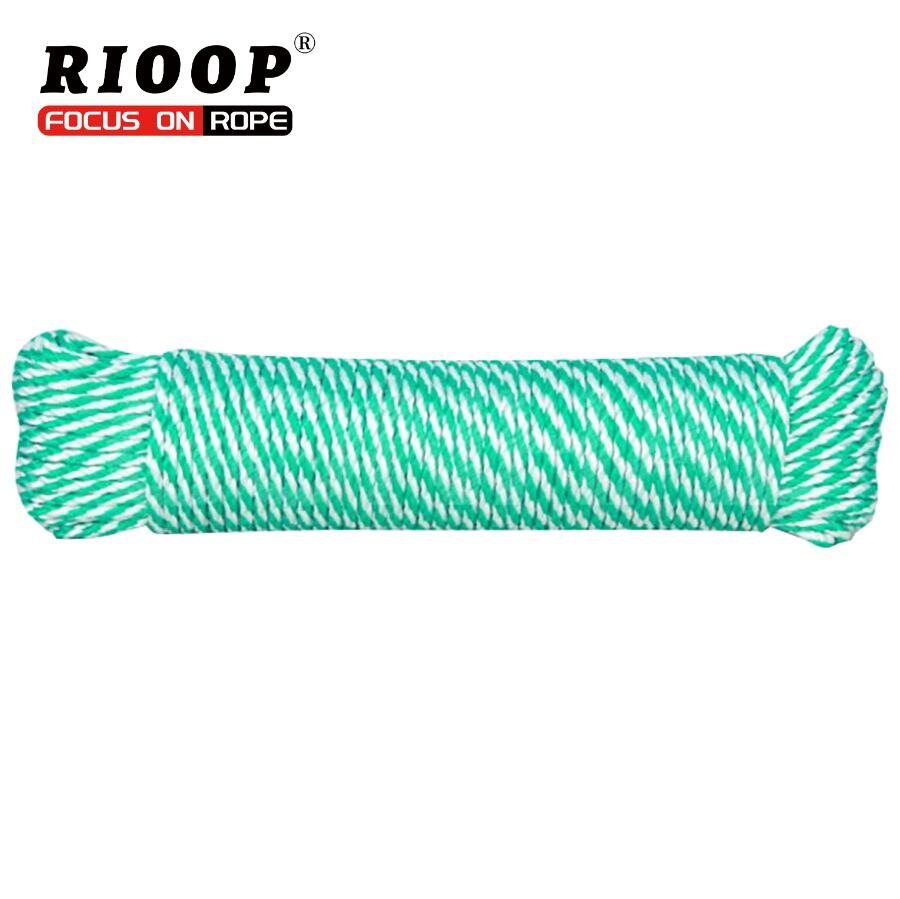
Picking the right braided rope that holds knots well is not always easy, especially when buying a large amount. At RIOOP, we know this challenge well, and we want to help buyers find ropes that work best for their needs. The first step is to think about what the rope will be used for. For example, if it is for climbing or rescue, knot security is critical. If it is for general tying or decoration, other factors might be more important. Next, check the rope’s material details. Look for ropes with fibers known for good grip, but also strength and durability. RIOOP’s ropes often combine materials to get the best mix. Don’t just trust the label; ask for samples to feel the rope and try tying knots yourself. This hands-on test can reveal if knots hold tight or slip. Also, ask about how the rope is braided. A balanced braid that is not too tight or loose usually works best for knot holding. RIOOP offers ropes with different braids designed for various uses, and we can guide buyers to pick the right one for their specific needs. Another important point is to consider the rope’s treatment. Some coatings improve wear but might reduce friction, so it’s a trade-off. Buyers should decide what matters more: knot security or rope longevity. When buying in bulk, it is smart to request information about testing related to knot strength from the supplier. RIOOP performs many tests to show how our ropes behave under stress and with different knots. Buyers can ask for this data to feel confident in their choice. Lastly, think about cost and quality together. The cheapest rope might not hold knots well and could cause problems later. Investing a bit more in RIOOP ropes means better safety and fewer replacements. Buying braided rope with good knot-holding ability means understanding these details and working with a supplier who shares knowledge and experience. RIOOP is here to help with that, making sure bulk buyers get ropes that do the job right every time.
What Materials Affect the Knot Security in Braided Ropes for Wholesale Use
When choosing braided ropes for wholesale use, one very important thing to think about is the kind of material the rope is made from. The material directly affects how well a rope can hold a knot, which is called knot security. Different materials have different textures, strengths, and flexibility, and these all play a big role in how tightly a knot can stay tied without slipping or coming undone.
For example, ropes made from natural fibers like cotton or hemp are soft and have a rough surface. This roughness helps knots to stay in place because it creates more friction between the rope’s strands. More friction means the rope grips itself better when you tie a knot. However, natural fibers might absorb water and get weaker over time, which can reduce their knot security in wet conditions.
On the other hand, synthetic ropes like nylon, polyester, or polypropylene are very strong and resistant to water and weather. Nylon ropes are stretchy, which can help knots to tighten under pressure, but too much stretch can sometimes cause knots to slip. Polyester ropes are less stretchy and have good grip, making knots more secure. Polypropylene ropes float on water and are light, but their smooth surface can make knots less secure unless the rope is specially treated or braided.
The way the rope is braided also matters. Braided ropes made by tightly weaving the fibers together usually have better knot-holding ability because the strands don’t move as much when tied. RIOOP’s braided ropes are made from carefully selected materials and use strong braiding methods to ensure the best knot security. When buying ropes for wholesale, always check what materials are used and how the rope is made, because these details tell you a lot about how well the rope will hold knots in real use.
Where to Find High-Quality Braided Rope with Excellent Knot-Holding Performance
Finding high-quality braided rope that holds knots well can seem tricky, but it’s easier if you know where to look. For wholesale buyers, it is important to find a supplier that offers ropes made with good materials and strong craftsmanship. A company like RIOOP is a great place to start because they focus on making ropes that perform well in real-life situations, especially when knot security is important.
High-quality braided ropes come from careful selection of fibers and good braiding techniques. When you look for a wholesale supplier, check that they offer ropes made from reliable materials like nylon or polyester. These materials are known for their strength and ability to keep knots tied tight. Also, a good supplier will have ropes that feel firm but flexible, making it easier to tie knots that won’t slip.
Another important point is that a trusted company will provide clear information about their ropes. For example, RIOOP gives detailed descriptions of their ropes’ materials, design, and strength ratings. This helps buyers understand exactly what they are getting. A company that offers samples or detailed product testing results is even better because it lets buyers try the ropes and see how well they hold knots before making a large purchase.
You can find high-quality braided ropes by searching BRAIDED ROPE online, visiting trade shows, or contacting rope manufacturers directly. When you choose RIOOP, you get ropes made with care and tested for knot-holding ability. This means you can trust the ropes to be strong, reliable, and perfect for many uses, whether it’s for outdoor activities, construction, or everyday use.
How to Test the Knot-Holding Ability of Braided Rope Before Wholesale Buying
Before buying braided ropes in large amounts, it’s smart to test how well the ropes hold knots. Testing helps you be sure that the ropes won’t slip or fail when you really need them. There are simple ways to check the knot-holding ability of braided ropes, and doing this can save you money and problems later on.
First, get a small sample of the rope you want to buy. Tie different pp braided rope kinds of knots that are common for your use, like the square knot, bowline, or figure-eight knot. After tying each knot, pull on the rope to see if the knot stays tight or if it slips. Notice if the rope feels strong near the knot or if it starts to fray or stretch too much.
Next, try bending the rope and knot in different directions. Good braided ropes will keep their knot tight even when twisted or moved. You can also wet the rope and test again because some ropes lose grip when wet. RIOOP’s ropes are designed to stay secure even in wet conditions, so this is an important test.
For a more detailed test, you can use a weight or a force meter to pull on the rope with steady pressure. This shows how much force the knot can handle before slipping or breaking. This kind of testing is useful for buyers who need double braided polyester rope ropes for heavy-duty work.
By testing the knot-holding ability yourself or asking RIOOP for test results, you make sure the ropes you buy are safe and reliable. This means your customers or workers can trust the ropes to hold strong knots, keeping everyone safe and making your purchase a smart choice.